1. Focus on Search Intent
Google prioritizes content that satisfies user intent. Understand what users want before creating content.
2. Create High-Quality Content
Detailed, informative, and valuable content performs better than short articles filled with keywords.
3. Optimize for User Experience
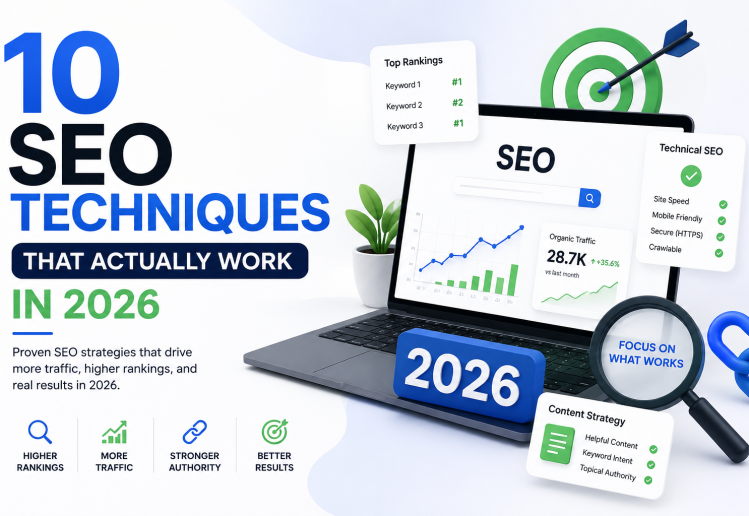
Fast-loading websites, mobile responsiveness, and easy navigation improve rankings and engagement.
4. Use Topic Clusters
Create pillar content and support it with related articles. This structure helps search engines understand your expertise.
5. Improve Internal Linking
Internal links help users navigate your website and distribute authority across pages.
6. Optimize Featured Snippets
Answer common questions clearly and concisely. Featured snippets can increase visibility and click-through rates.
7. Strengthen E-E-A-T Signals
Experience, Expertise, Authoritativeness, and Trustworthiness remain important ranking factors.
8. Use Schema Markup
Structured data helps search engines understand content and display rich results.
9. Build Quality Backlinks
Focus on relevant and authoritative websites instead of acquiring large quantities of low-quality links.
10. Update Existing Content
Refreshing older articles improves relevance and maintains rankings.
Common SEO Mistakes
- Keyword stuffing
- Ignoring mobile optimization
- Publishing thin content
- Buying low-quality backlinks
- Neglecting technical SEO
Future of SEO
AI-driven search engines and user-focused algorithms will continue shaping SEO strategies. Businesses must prioritize quality content and user satisfaction.
Conclusion
SEO in 2026 requires more than keywords. Businesses need valuable content, excellent user experience, and strong authority signals. Consistent optimization and strategic planning remain the foundation of long-term organic growth.